Annual Sale!Get 30% offClaim Now→

Gerador Imagem para Prompt AI Grátis Online
Descreva Sua Imagem como um Prompt com IA
Multiple Input Methods
Upload local files or provide image URLs for maximum flexibility
Multilingual Support
Generate prompts in multiple languages to reach a global audience
Detailed Analysis
Get comprehensive image descriptions and type classification
Image To Prompt Examples
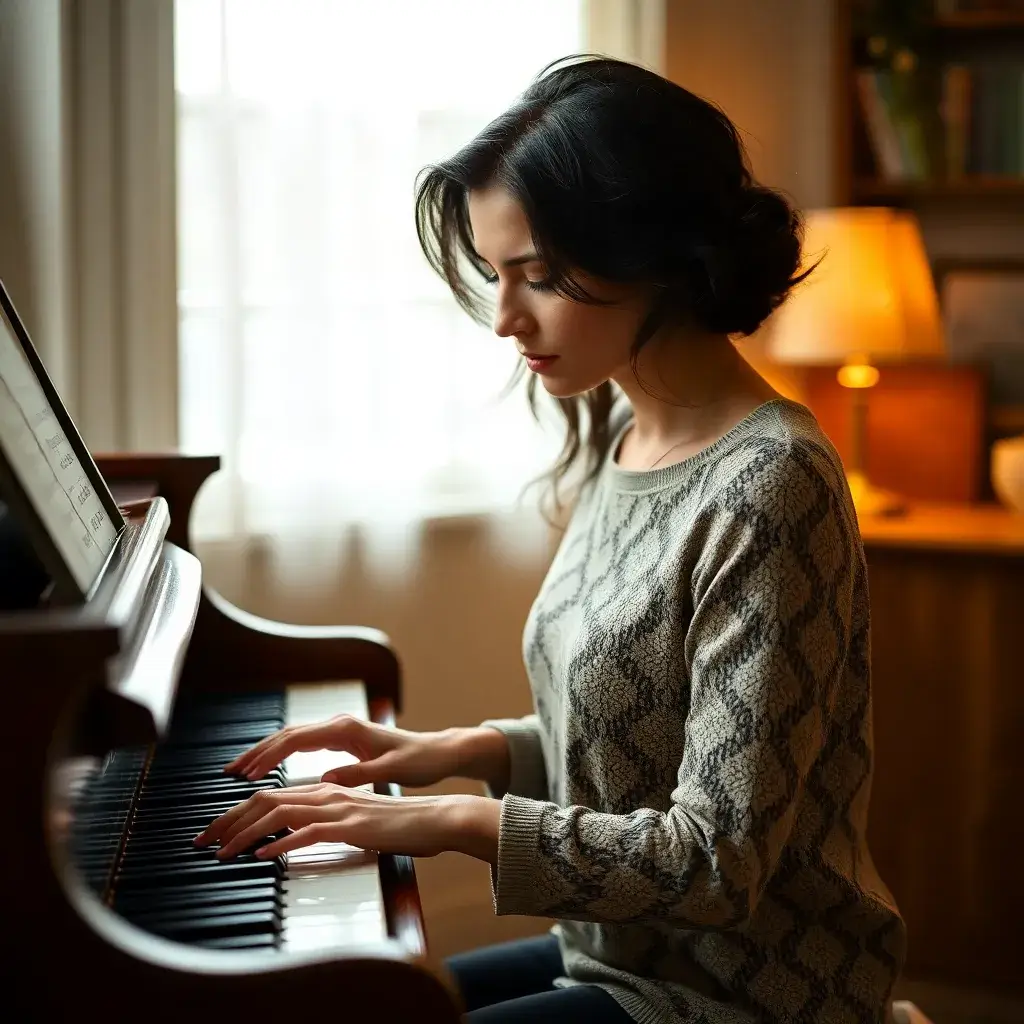
The image captures a lively scene in a wooden hall or gazebo, warmly lit by string lights. A woman is at the center, joyfully playing the accordion and smiling
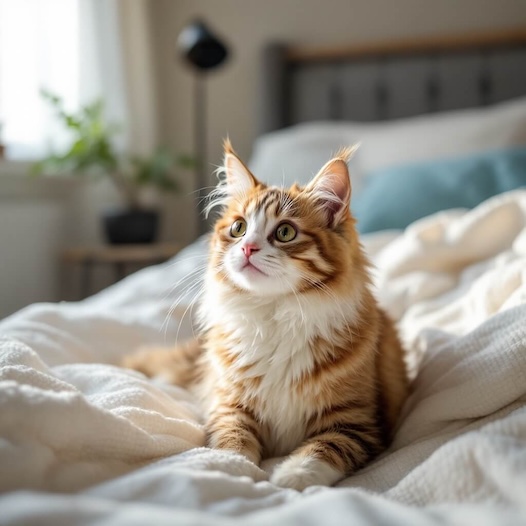
The image showcases a fluffy orange and white cat resting on a bed with soft, crumpled blankets. The cat has large, expressive eyes and a curious expression, gazing upward, suggesting it might be captivated by something above.
What Does an Image-to-Prompt Generator Extract?
An AI image-to-prompt tool reverse-engineers any reference picture into natural-language instructions you can reuse for alt text, creative briefs, or fresh generations. Breaking the output into five building blocks makes it easy to swap just the subject or lighting without losing the visual look:
Subject & Pose
Identifies primary people, objects, expressions, attire, and physical arrangement in the frame.
Framing & Camera
Captures shot distance (close-up, wide, top-down), camera angle, and lens depth of field.
Lighting & Palette
Transcribes directional lighting (golden hour, studio rim, overcast) and dominant color tones.
Material & Texture
Preserves tactile cues such as matte ceramic, rain-wet asphalt, fabric weave, or 35mm film grain.
Style & Medium
Distinguishes candid photography, vector illustration, screen-print poster, or 3D render cues.
How to Adapt an Extracted Prompt for Each AI Model
Modern diffusion and multimodal models interpret extracted descriptions differently—tune a single sentence after copying to match the model you run next:
| Target Model | Cost on Flux1 AI | How to Adapt Your Extracted Prompt |
|---|---|---|
| FLUX.2 Pro | 6 credits (1K) | Convert vague adjectives into concrete lighting and lens notes, and place exact hex color codes (#RRGGBB) or quoted display text where needed. |
| FLUX.1 Kontext Pro | 6 credits | Extract the baseline prompt first, then edit only the delta against your uploaded photo (e.g., "Keep composition and face; change coat to wool olive"). |
| GPT Image 2.6 | 12 credits (1K) | Add explicit layout hierarchy ("top headline", "two columns", "no other text") when turning reference posters or UI screenshots into fresh layouts. |
| Nano Banana Pro | 14 / 28 credits (2K / 4K) | Trim redundant buzzwords and state subject attire, expression, and aspect-appropriate framing directly for sharp 2K–4K portraits. |
Recommended Next Steps
Generate & Remix Directly from Your Prompt
Paste the extracted prompt into our flagship image generators or edit the original photo directly.
FLUX.2 Pro
Best for photorealism, typography, and faithful adherence to long extracted prompts.
Flux Kontext
Upload your source image and modify objects, backgrounds, or styles in seconds.
Nano Banana Pro
Google's 2K–4K photorealistic image generator with strong scene and portrait detail.
Flux 1.1 Pro
Fast, everyday FLUX generation ideal for iterating on prompt variations.
Perguntas frequentes sobre o Flux AI
- O que é a função Imagem para Prompt do Flux1 AI?
Flux1 AI Imagem para Prompt é uma ferramenta gratuita que converte imagens em descrições de texto. Analisa o conteúdo de uma imagem e gera uma descrição textual precisa.
- O Flux1 AI Imagem para Prompt é gratuito?
Sim, o Flux1 AI Imagem para Prompt é totalmente gratuito. Acreditamos em tornar a tecnologia de IA acessível a todos, para que possa usar esta ferramenta sem custo.
- Como funciona o Flux1 AI Imagem para Prompt?
Basta fazer upload de uma imagem para a nossa plataforma. A nossa IA irá analisá-la e gerar uma descrição textual do seu conteúdo. É rápido e não requer entrada adicional.
- Que tipos de imagens posso usar?
O Flux1 AI Imagem para Prompt suporta formatos comuns como JPEG, PNG e GIF. Pode fazer upload de fotos, arte digital, capturas de ecrã, etc., e a nossa IA gerará uma descrição.
- Posso usá-lo para várias imagens de uma vez?
Atualmente, o Flux1 AI Imagem para Prompt só suporta o processamento de uma imagem de cada vez. Precisará de fazer upload das imagens individualmente para obter múltiplas descrições.
- Posso personalizar as descrições geradas?
O Flux1 AI Imagem para Prompt gera descrições automaticamente. Por agora, não há opções de personalização. A IA fornece uma descrição padrão.
- Quão precisas são as descrições?
O Flux1 AI Imagem para Prompt usa IA avançada para descrições precisas. É bom a identificar elementos comuns, mas pode não captar todas as nuances. Oferece uma descrição geral.
- Para que serve o Flux1 AI Imagem para Prompt?
Útil para gerar texto alternativo (acessibilidade web), criação de conteúdo para redes sociais, ajudar pessoas com deficiência visual ou por curiosidade sobre IA.